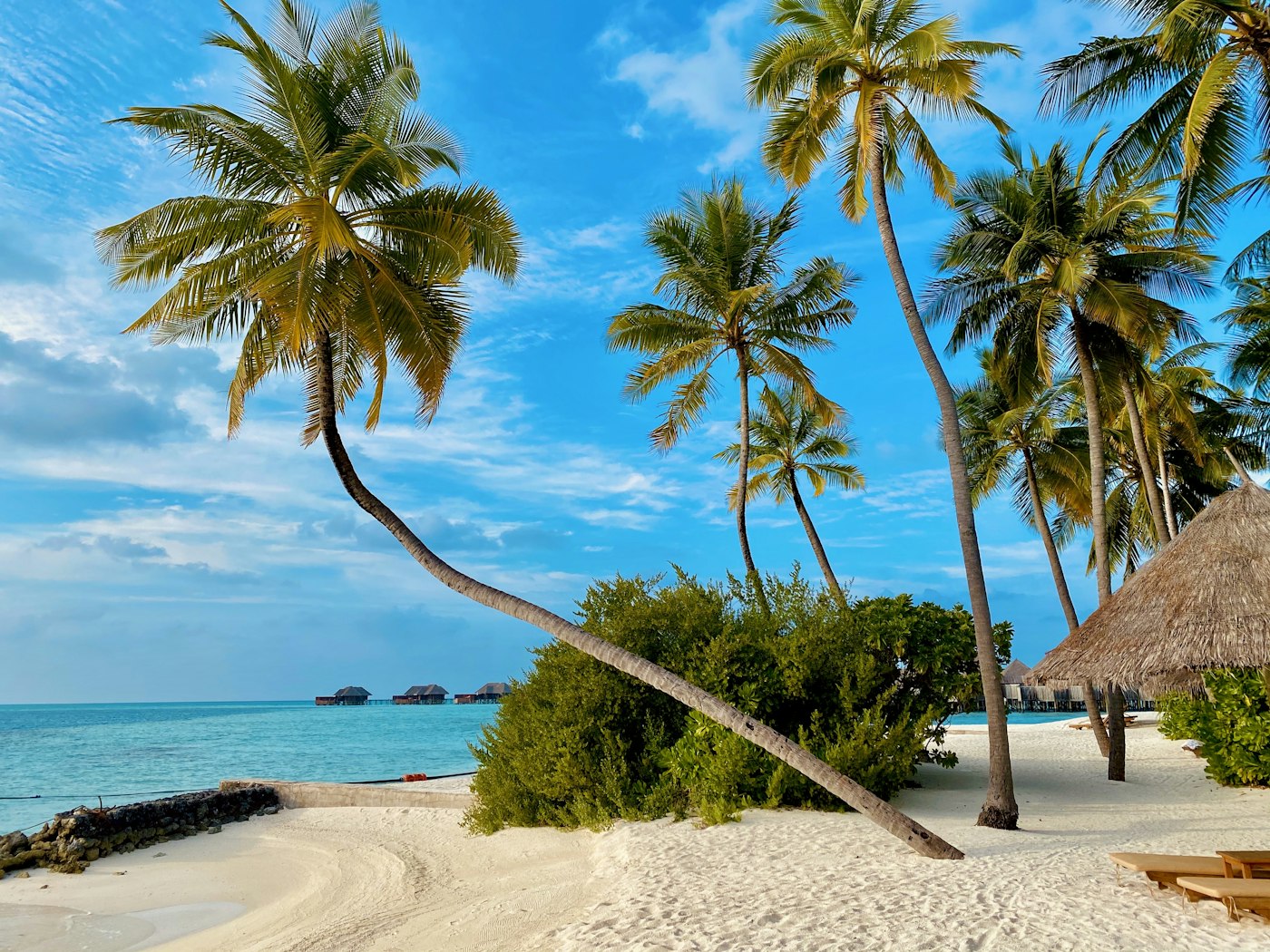
Tenerife vs Gran Canaria: Which Canary Island Should You Choose?
Both islands sit in the Atlantic, 100 km apart. Both have year-round sunshine, volcanic landscapes, and beaches. Both are cheap flights from most European cities. So why do travelers agonize over the choice? Because despite sharing an archipelago, Tenerife and Gran Canaria are genuinely different islands with different personalities.
We manage apartments on both islands — 18 in Tenerife and 1 in Gran Canaria (Playa del Inglés) — so we have a stake in both. Here's the honest comparison we give every guest who asks.
The Head-to-Head
| Tenerife | Gran Canaria | |
|---|---|---|
| Size | 2,034 km² (largest Canary Island) | 1,560 km² |
| Population | ~950,000 | ~850,000 |
| Main airport | Tenerife South (TFS) | Gran Canaria (LPA) |
| Beaches | Man-made golden + natural black sand | Natural golden sand (Maspalomas dunes) |
| Top attraction | Mount Teide (3,718m — Spain's highest peak) | Maspalomas dunes + Roque Nublo |
| Water park | Siam Park (#1 in the world) | Aqualand Maspalomas (good, not world-class) |
| Nightlife | Playa de las Americas (intense) | Playa del Inglés + Las Palmas (more chill) |
| Local culture | More tourist-heavy in the south | Las Palmas is a real city with authentic Canarian life |
| Nature variety | Volcanic desert, cloud forest, alpine | Desert dunes, green north, ravines |
| Weather | Virtually identical | Virtually identical |
| Avg accommodation cost | €80–180/night | €60–150/night (10-15% cheaper) |
| Carnival | Santa Cruz (2nd largest after Rio) | Las Palmas (arguable — both are spectacular) |
Beaches: The Biggest Difference
This is where the islands diverge most sharply. Gran Canaria's south coast has natural golden-sand beaches backed by the Maspalomas dune field — a surreal landscape of Saharan-style dunes that extend 400 hectares from the lighthouse to Playa del Inglés. The sand is real, the beach is vast, and the dunes feel like a national park. It's genuinely spectacular.
Tenerife's south coast beaches are mostly artificial — golden sand imported from the Sahara, contained by breakwaters. The result is perfectly pleasant (Playa del Duque in Costa Adeje is beautiful), but you're aware it's engineered. Tenerife's real beach magic is on the north coast: black volcanic sand beaches like Playa de Benijo, framed by cliffs and pounded by Atlantic swells. Wild, dramatic, and completely different from the resort south.
Verdict: If beach quality is your priority and you want golden sand, Gran Canaria wins. If you want beach variety (groomed resort + wild volcanic), Tenerife offers more range.
Nature and Landscape
Tenerife has Mount Teide — Spain's highest peak at 3,718 meters. The national park around it is otherworldly: lunar landscapes, endemic species, and the clearest night skies in the Northern Hemisphere. The Anaga mountains in the northeast are the opposite: ancient laurel cloud forests dripping with moss. The contrast between the volcanic desert and the cloud forest, both on the same island, is one of Tenerife's most remarkable features.
Gran Canaria is sometimes called a "miniature continent" for its variety: the Maspalomas dunes, the green mountainous center, the Tamadaba pine forests, and the dramatic ravines (barrancos) that carve through the landscape. Roque Nublo — a 67-meter volcanic rock formation — is the island's most iconic landmark.
Verdict: Tenerife wins on sheer drama (Teide is unmatched), but Gran Canaria packs remarkable variety into a smaller space.
Culture and Local Life
Gran Canaria has a real city: Las Palmas (population 380,000) has a historic old quarter (Vegueta), a world-class concert hall (Auditorio Alfredo Kraus), a genuine local food scene, and neighborhoods that aren't remotely touristic. If you want to experience Canarian culture — language, food, traditions — Las Palmas delivers authenticity that Tenerife's southern resorts can't match.
Tenerife's cultural heart is Santa Cruz (the capital), which most tourists never visit because it's on the opposite end from the resorts. It's worth the trip: colonial architecture, the Mercado de Nuestra Señora de Africa, and a waterfront that rivals any Mediterranean city. But the honest truth is that most Tenerife visitors stay in the south and experience a tourist infrastructure, not local culture.
Verdict: For authentic Canarian culture, Gran Canaria (Las Palmas) wins. Tenerife can match it, but only if you make the effort to explore beyond the resorts.
Who Should Choose Which
Choose Tenerife if you want:
✓ The world's best water park (Siam Park)
✓ Spain's most dramatic volcano (Teide at sunset)
✓ Whale watching (resident pilot whale pods off Los Gigantes)
✓ Intense nightlife (Las Americas)
✓ More resort infrastructure and organized tourist activities
✓ A wider choice of apartments (ClassBnB has 18 properties)
Choose Gran Canaria if you want:
✓ The Canaries' best natural beaches (Maspalomas dunes)
✓ A real city experience (Las Palmas)
✓ Authentic Canarian culture and food
✓ Slightly lower prices
✓ Fewer crowds in the shoulder season
✓ A more laid-back, less resort-oriented atmosphere
Can You Do Both?
Yes, and we recommend it for stays of 10+ days. The Fred Olsen ferry connects the islands in 80 minutes (from €35 one-way), and flights take 30 minutes. A common itinerary: 5-6 days on Tenerife (beach + Teide + Siam Park) plus 3-4 days on Gran Canaria (Maspalomas + Las Palmas). ClassBnB has apartments on both islands, so you can book direct for both legs.
Apartments on both islands
ClassBnB has properties in Tenerife and Gran Canaria. Book direct, save 20%.
Tenerife Gran Canaria